
Endotoxin Testing for Peptides: Beyond Standard HPLC Purity
A perfect HPLC purity score doesn't mean your peptide is safe for biological use. Here's why endotoxin contamination slips past chromatography entirely, and what testing method actually catches it before it wrecks your results.

A peptide that scores 99% purity on an HPLC report can still carry enough bacterial endotoxin to wreck a cell assay or trigger a fever in an animal model. That's the uncomfortable truth behind endotoxin testing for peptides, and it's a gap most suppliers never mention. Standard purity analysis tells you what you bought chemically, not whether it's safe for biological use.
This gap exists because HPLC measures the presence of your target molecule, not the invisible bacterial debris riding along with it. Endotoxins survive autoclaving, resist filtration, and trigger immune responses at concentrations far below what any chromatography column can detect. For suppliers, manufacturers, and quality directors, that invisible risk turns into real liability.
In this guide, I'll walk through what endotoxins actually are, how the LAL assay catches what HPLC misses, and what endotoxin level counts as safe for your specific application. I'll also cover how biosafety testing, including what we offer at Accumark Labs, is becoming the real line between suppliers who talk about quality and those who prove it. Let's get into the details.
Key Takeaways
-
HPLC purity and endotoxin safety measure two completely different things, so passing one test says nothing about the other.
-
The LAL assay is the gold standard for endotoxin detection, with three method types covering different sensitivity needs.
-
Acceptable endotoxin limits shift drastically by application, from under 1.0 EU/mg for general research to under 0.1 EU/mg for immune cell work.
-
Endotoxin testing and sterility testing check for different contaminants, and neither one substitutes for the other.
-
Verifiable, tamper-proof Certificates of Analysis are becoming the new trust standard across peptide sourcing.
What Are Endotoxins and Why Doesn't HPLC Catch Them?
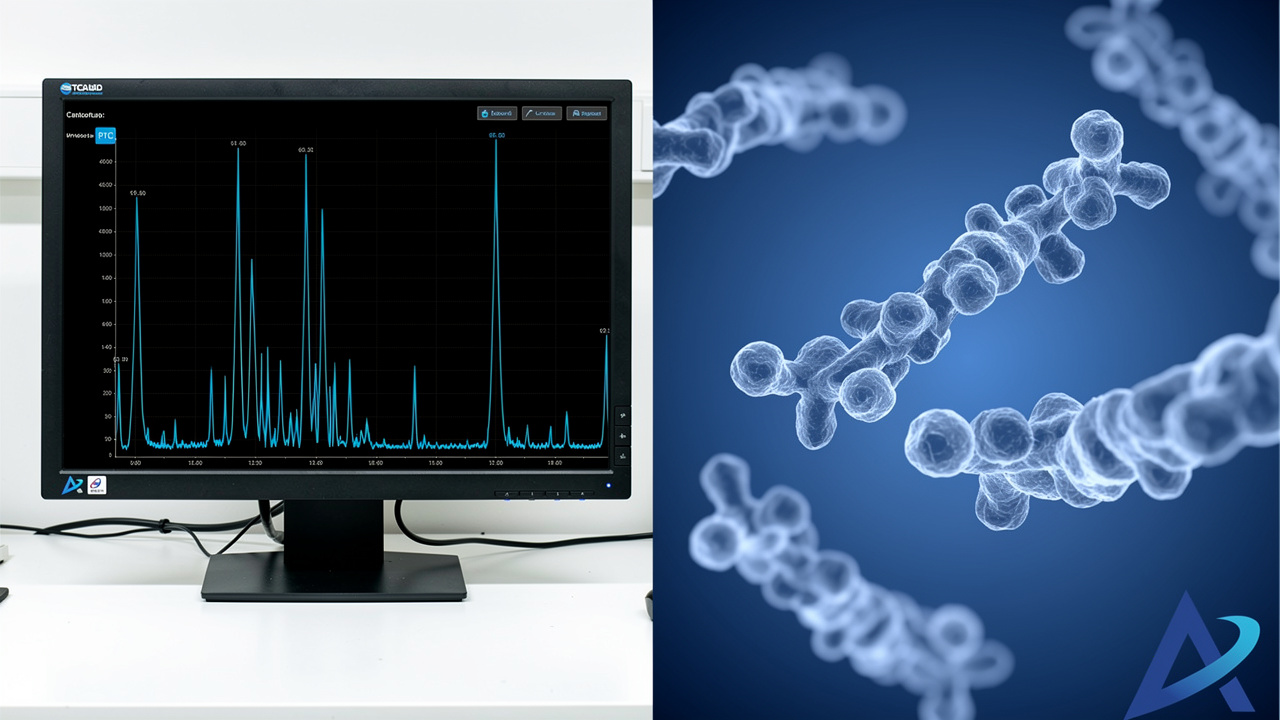
Endotoxins are lipopolysaccharide fragments, known as LPS, that live in the outer cell walls of gram-negative bacteria. When those bacteria die during manufacturing, handling, or storage, their cell walls break apart and release LPS into the surrounding environment. Endotoxin testing for peptides exists precisely because this debris doesn't disappear once the bacteria are gone. Standard autoclaving at 121 degrees Celsius kills living bacteria, but it does nothing to destroy the endotoxin left behind. That's the core problem with relying on standard HPLC purity testing alone. HPLC separates and measures your target compound against chemical impurities, confirming how much of the sample is actually your peptide, but it has no way to flag bacterial debris, since endotoxins never show up as a distinct peak on the chromatogram. This isn't a theoretical scenario: investigations into certificates of analysis have found a vial can be 99.4 per cent pure on paper while carrying contamination that chemistry alone never flags. That disconnect between chemical purity and biological cleanliness is why purity numbers alone can't confirm a peptide is safe for biological use.
How Endotoxins Corrupt Research Data
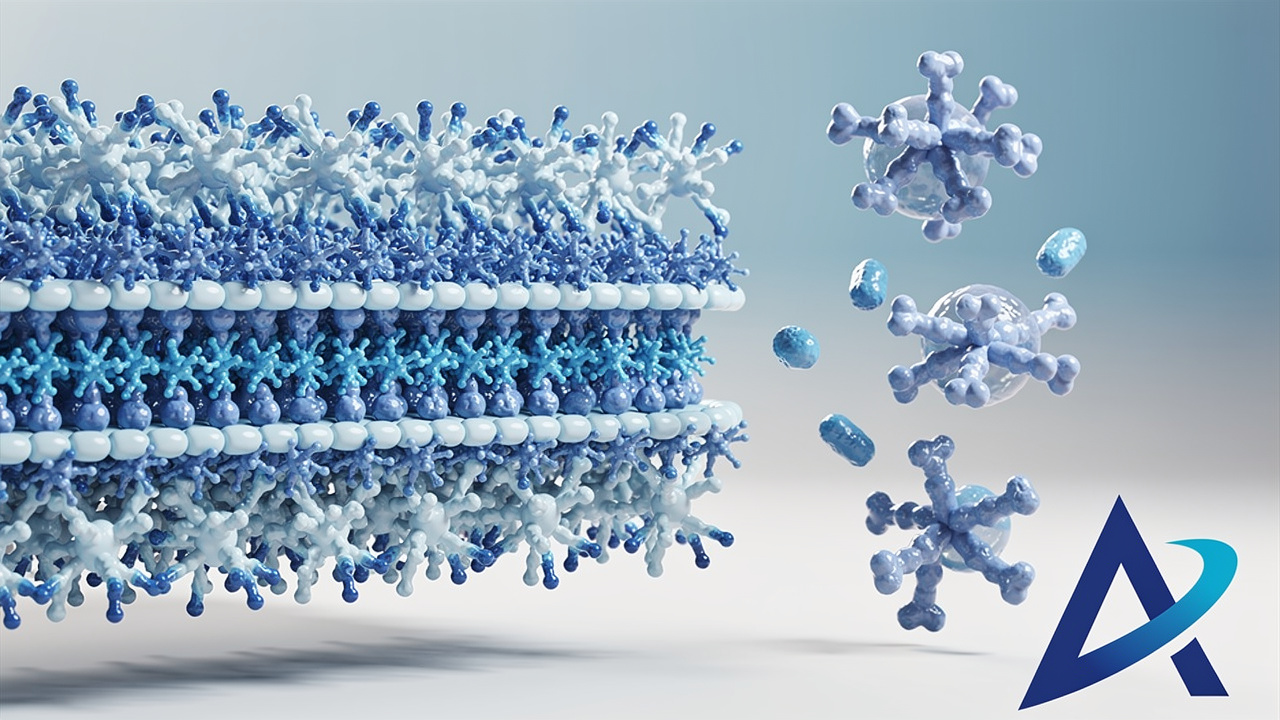
Endotoxins activate the innate immune system through a receptor called TLR4, short for Toll-like receptor 4. When LPS binds to TLR4, it sets off a cascade of inflammatory signaling, including cytokine release, NF-κB activation, and nitric oxide production. In a living organism, this is simply the body's alarm system for bacterial invasion. In a petri dish or an animal model, it becomes a source of corrupted data that has nothing to do with the peptide being studied.
Immune cell assays sit at the highest risk, since direct TLR4 activation can mask or amplify the peptide's actual effect, a risk factor echoed in research on therapeutic peptide immunogenicity that links product-related contaminants to unpredictable immune responses. Cell proliferation studies, in vivo animal models, and receptor binding assays all face similar exposure, with contamination at nanogram-per-milliliter levels enough to skew results completely. Even stability testing and protein folding studies can show distorted outcomes when endotoxin is quietly riding along in the sample.
How Does LAL Testing Detect What HPLC Misses?
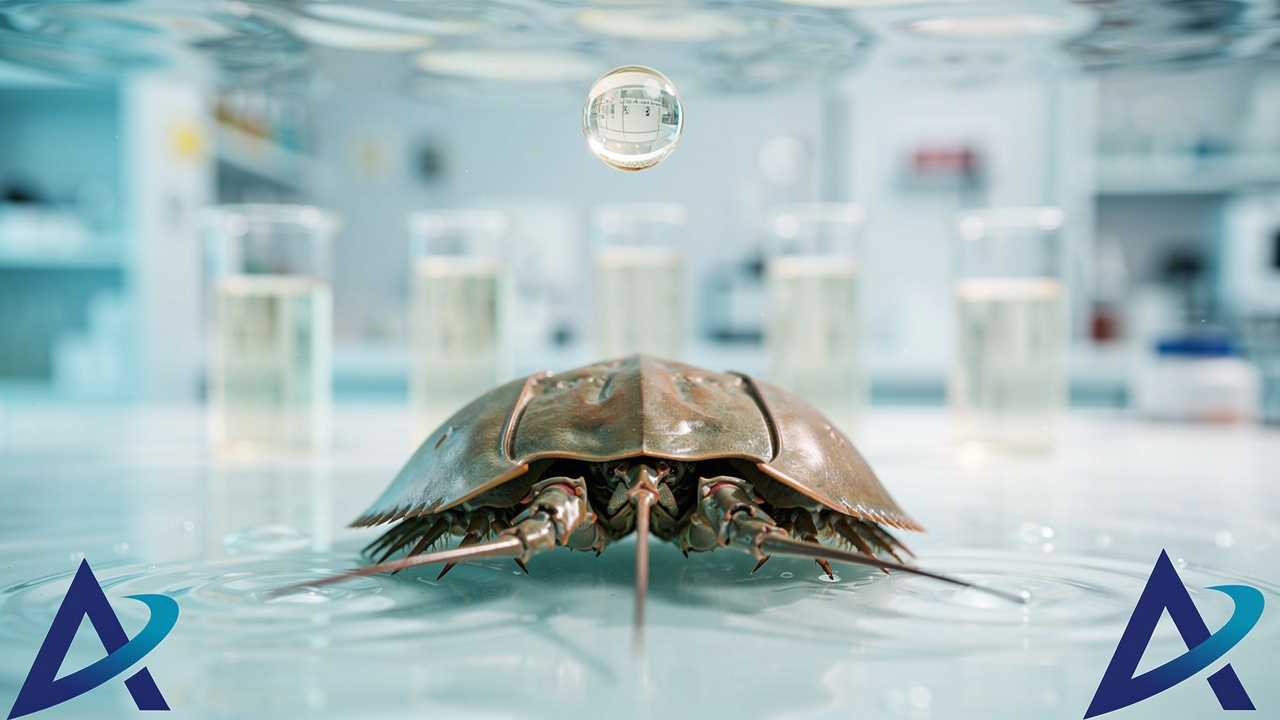
LAL stands for Limulus Amebocyte Lysate, and it remains the gold standard for endotoxin detection across pharmaceutical and research testing. The assay exploits a property discovered in the blood cells of the horseshoe crab, Limulus polyphemus, back in the 1960s. These cells, called amebocytes, clot almost instantly when they come into contact with bacterial endotoxin. Scientists turned that natural defense mechanism into one of the most sensitive detection systems available, far more sensitive than anything chemical chromatography can offer. When a sample contains LPS, it triggers a coagulation cascade in the lysate reagent, and that reaction can be measured in different ways depending on the method used. This is where LAL testing pulls ahead of standard HPLC purity testing, since it measures a biological reaction to a contaminant that chromatography simply cannot see. Results are reported in endotoxin units, written as EU/mL for liquid solutions or EU/mg for dry, lyophilized peptide powder, and the lower that number runs, the cleaner the sample. A newer method called recombinant Factor C, or rFC, is gaining ground too, using a lab-made version of the same detection protein instead of harvested crab blood, reflecting broader concerns raised in peer-reviewed work on peptide impurity immunogenicity about how contamination risk factors are assessed across orthogonal methods.
Gel-Clot, Kinetic Turbidimetric, and Kinetic Chromogenic Methods
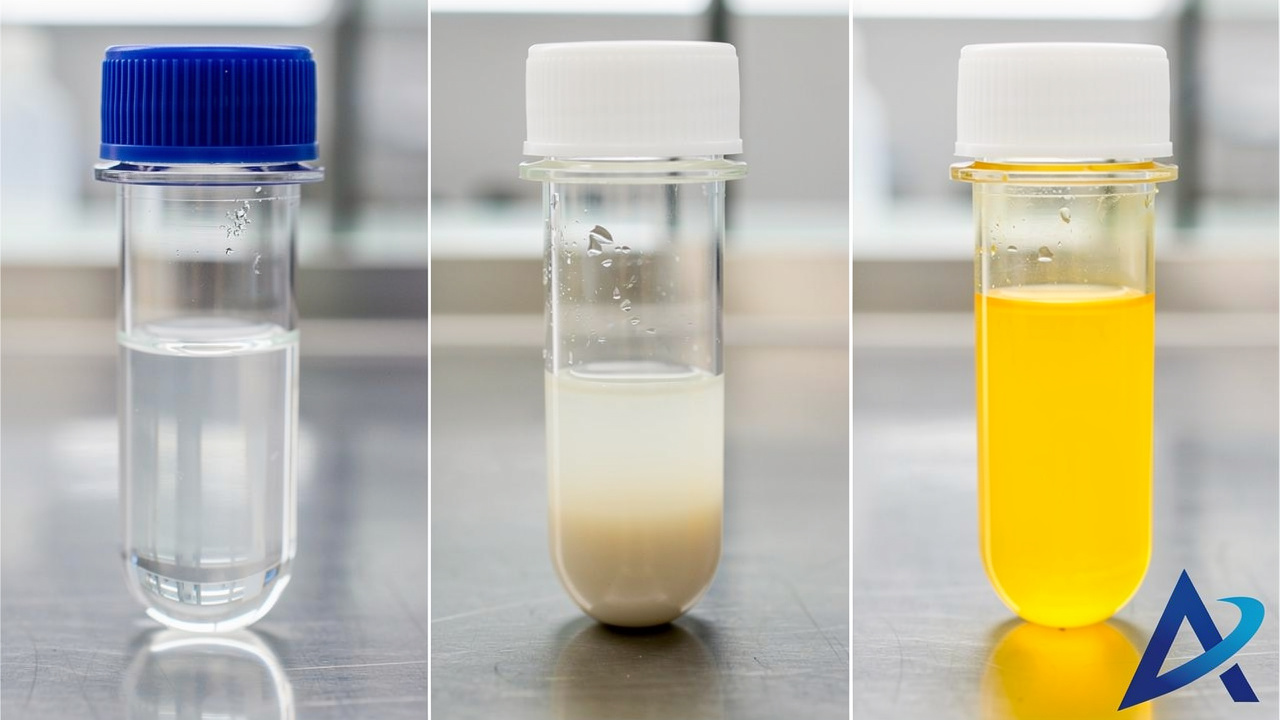
The gel-clot method is the simplest of the three. It forms a visible, solid gel when endotoxin is present, and the result is reported as a straightforward pass or fail. With a sensitivity of 0.03 EU/mL, it works well for quick screening when a yes-or-no answer is all you need. The kinetic turbidimetric method steps things up by measuring how fast cloudiness develops during the clotting reaction, giving a quantitative result with sensitivity down to 0.01 EU/mL.
The kinetic chromogenic method is the most sensitive of the group, using a synthetic substrate that turns yellow when endotoxin triggers the reaction. Measured by spectrophotometer, it reaches a sensitivity of 0.001 EU/mL, making it the preferred choice when a precise numerical result matters. Recombinant Factor C testing offers comparable sensitivity to kinetic chromogenic LAL while skipping the horseshoe crab harvest altogether, which is why more labs are adopting it as a cruelty-free alternative.
Quick comparison of the three LAL methods:
-
Gel-clot: sensitivity of 0.03 EU/mL, pass/fail result, best for fast screening.
-
Kinetic turbidimetric: sensitivity down to 0.01 EU/mL, quantitative result based on clotting speed.
-
Kinetic chromogenic: sensitivity of 0.001 EU/mL, quantitative result based on color change, best when precision matters most.
What Endotoxin Level Is Safe for Your Application?
There's no single safe number for endotoxin. The acceptable threshold depends entirely on what you're using the peptide for and how sensitive that biological system is to LPS.
-
General research use: typically tolerates less than 1.0 EU/mg.
-
Standard cell culture work: calls for less than 0.5 EU/mg.
-
Immune cell assays: demand the strictest limit of all, under 0.1 EU/mg, because immune cells react to LPS at extraordinarily low concentrations.
-
In vivo studies: sit at less than 0.25 EU/mL, since systemic exposure through injection raises the stakes considerably.
Units matter just as much as the number itself. EU/mL measures solution concentration, while EU/mg measures dry weight, and mixing the two up can make a contaminated sample look clean. A trustworthy Certificate of Analysis always lists the exact result, the unit, and the testing method used, so you can judge whether a batch actually fits your application.
Is Endotoxin Testing the Same as Sterility Testing?
No, endotoxin testing and sterility testing check for two completely different things. Endotoxin testing measures whether heat-stable bacterial debris, the LPS fragments, is present in a sample. Sterility testing measures whether viable microorganisms, bacteria, fungi, or yeast capable of growing, are present. These two tests fail independently of each other, which is why both are needed for full contamination assurance.
A sample can be completely sterile, with no living microbes, and still test positive for endotoxin because dead bacteria leave their cell wall debris behind. The reverse is also true, since a sample can carry fungal contamination yet show low endotoxin, because fungi don't produce the same lipopolysaccharide structure. Sterility testing typically follows the USP <71> framework, incubating samples in growth media for 14 days to check for growth.
Why Biosafety Testing Is the New Quality Differentiator
Most peptide suppliers stop their quality control at two tests, HPLC purity and mass spectrometry identity confirmation, and call it done. That combination tells a buyer what the compound is and how much of it is present, but it says nothing about biosafety, an issue further detailed in peer-reviewed guidance on ensuring safety in peptide therapeutics that stresses immunogenicity assessment as a distinct safety pillar beyond efficacy data. Endotoxin testing, heavy metals screening, and moisture analysis all sit outside that standard panel, largely because most customers don't know to ask for them and most suppliers have little incentive to add cost and turnaround time on their own. That gap is exactly where biosafety testing has started to separate serious suppliers from the rest of the market. Accumark Labs built its testing approach around closing that specific gap, pairing standard purity analysis with dedicated endotoxin and biosafety screening so suppliers can show buyers a complete safety picture, not just a purity figure. For operations and quality directors, this shifts the conversation with customers from asking them to trust a purity percentage to handing over verifiable, application-specific contamination data. For e-commerce retailers, it becomes a real selling point, since customers increasingly recognize that purity alone doesn't guarantee a peptide is safe for biological use.
How Accumark Labs Closes the Gap With Verified Speed and Trust
The lab runs its testing out of a US-based facility with a 48 to 72 hour turnaround, so suppliers get comprehensive endotoxin and biosafety data without stalling their shipping schedule. That speed matters, since comprehensive testing only gets adopted industry-wide if it doesn't force suppliers to choose between thoroughness and keeping orders moving.
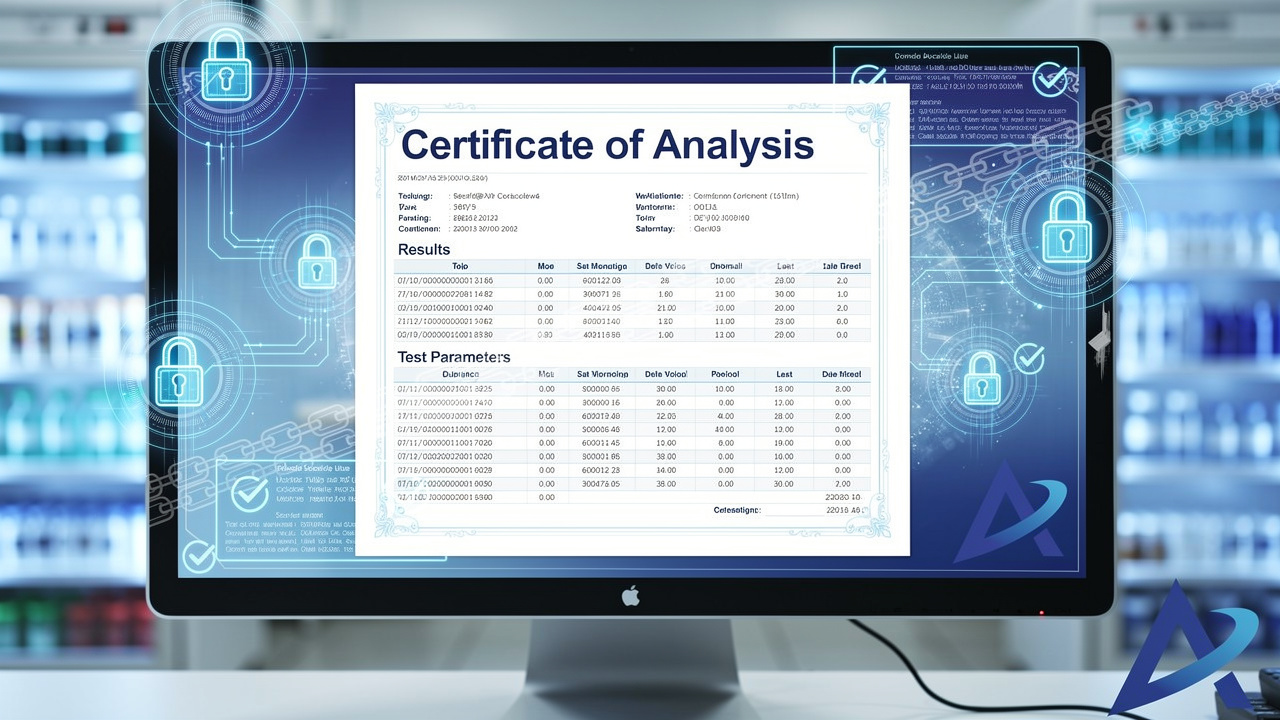
Every result comes back as a cryptographically signed, tamper-proof digital Certificate of Analysis hosted at a unique, verifiable URL, which addresses the industry's long-standing problem of falsified or altered COAs. Anyone, a buyer, a regulator, or a retailer's own customer, can open that link and confirm the result is real. That kind of verification builds buyer confidence and protects a supplier's reputation in a market where trust is still earned one batch at a time.
Final Thoughts
HPLC purity testing tells you what's in the vial, but it was never designed to tell you whether that vial is safe for biological or research use. Endotoxin testing for peptides fills exactly that blind spot, catching contamination that chemistry-based methods simply can't see, no matter how high the purity percentage reads.
If you supply, manufacture, or sell peptides, treating endotoxin and biosafety testing as optional is a risk that catches up with you eventually, whether through a corrupted research result or a damaged reputation. Partnering with a lab like Accumark Labs to add verified, tamper-proof testing to every batch is a straightforward way to reduce that risk while giving customers proof they can check for themselves.
Frequently Asked Questions
Here are quick, direct answers to the questions I hear most often about endotoxin testing for peptides, covering safe thresholds, timelines, and how to spot a trustworthy Certificate of Analysis.
What Is A Good Endotoxin Level For Research Peptides?
General research use typically stays safe below 1.0 EU/mg, but immune cell work demands a much stricter limit of under 0.1 EU/mg. Always check your specific application before accepting a result as safe, since the right threshold changes depending on what you're studying.
Can A Peptide Be 99% Pure And Still Fail Endotoxin Testing?
Yes, because HPLC purity and endotoxin contamination measure two separate things, chemical composition versus biological contaminants. A peptide can score 99% purity on an HPLC report and still carry endotoxin levels high enough to trigger an immune response, which is why both tests matter.
How Long Does Endotoxin Testing Take?
Turnaround times vary across the industry, with some labs taking a week or longer to report results. This lab delivers endotoxin and biosafety results within 48 to 72 hours, giving suppliers comprehensive safety data without slowing down their shipping schedule.
What Is The Difference Between LAL And Recombinant Factor C (rFC) Testing?
LAL testing uses lysate harvested from horseshoe crab blood, while rFC testing uses a synthetic, lab-made version of the same detection protein. Both methods offer comparable sensitivity for endotoxin detection, but rFC avoids the ecological concerns tied to large-scale crab harvesting.
Why Do Some Certificates Of Analysis Look Untrustworthy?
The peptide industry has a real problem with falsified or altered Certificates of Analysis, since static documents are easy to edit or fabricate. Cryptographically signed COAs hosted at unique, verifiable URLs solve this by letting anyone independently confirm a result is genuine.
Do I Need Both Sterility Testing And Endotoxin Testing?
Yes, because they test for different contamination risks. Endotoxin testing catches heat-stable bacterial debris, while sterility testing catches viable, growth-capable microorganisms. A sample can pass one test and fail the other, so neither one substitutes for the other.

Get Your Peptides Analyzed
Fixed pricing. Fast turnaround. Verified results with cryptographic proof.